
Business setup and company setup in uae
What this page covers
Business setup and company setup in uae
Setting up a company in the UAE means working with formal legal entities, whether on the mainland or in a free zone. Every license, registration and change must go through official authorities. Handling these steps carefully helps you avoid unnecessary risk when starting, relocating or restructuring your business.
When planning a new setup, it is important to coordinate timing so that new licenses and approvals are in place before old ones are cancelled, and all clients, banks and suppliers are informed of any change. This reduces disruption to your operations and supports a smoother launch or transition anywhere in the UAE.
In brief
- Mainland companies in the UAE can usually carry out a very wide range of business activities, while many free zones focus on specific industries and clusters. This difference often influences where it is more practical and cost‑effective for you to set up.
- Free zone companies are full legal entities and must be properly closed, renewed or restructured through official procedures. Ignoring this can create future liabilities or complications for shareholders, managers and even for new license applications in the UAE.
- The UAE regulatory environment evolves over time. Monitoring updates from your free zone authority, DED or other mainland authorities, tax authorities and sector regulators helps your business stay compliant and better prepared for sustainable growth.
What to do
A key part of business setup in the UAE is understanding that both mainland and free zone companies are formal legal entities. They must be correctly formed, maintained and, when needed, closed or restructured through official channels. Sequencing changes, such as cancelling an old license only after new approvals are ready, helps you avoid unwanted liabilities, fines or operational gaps when forming or adjusting your company.
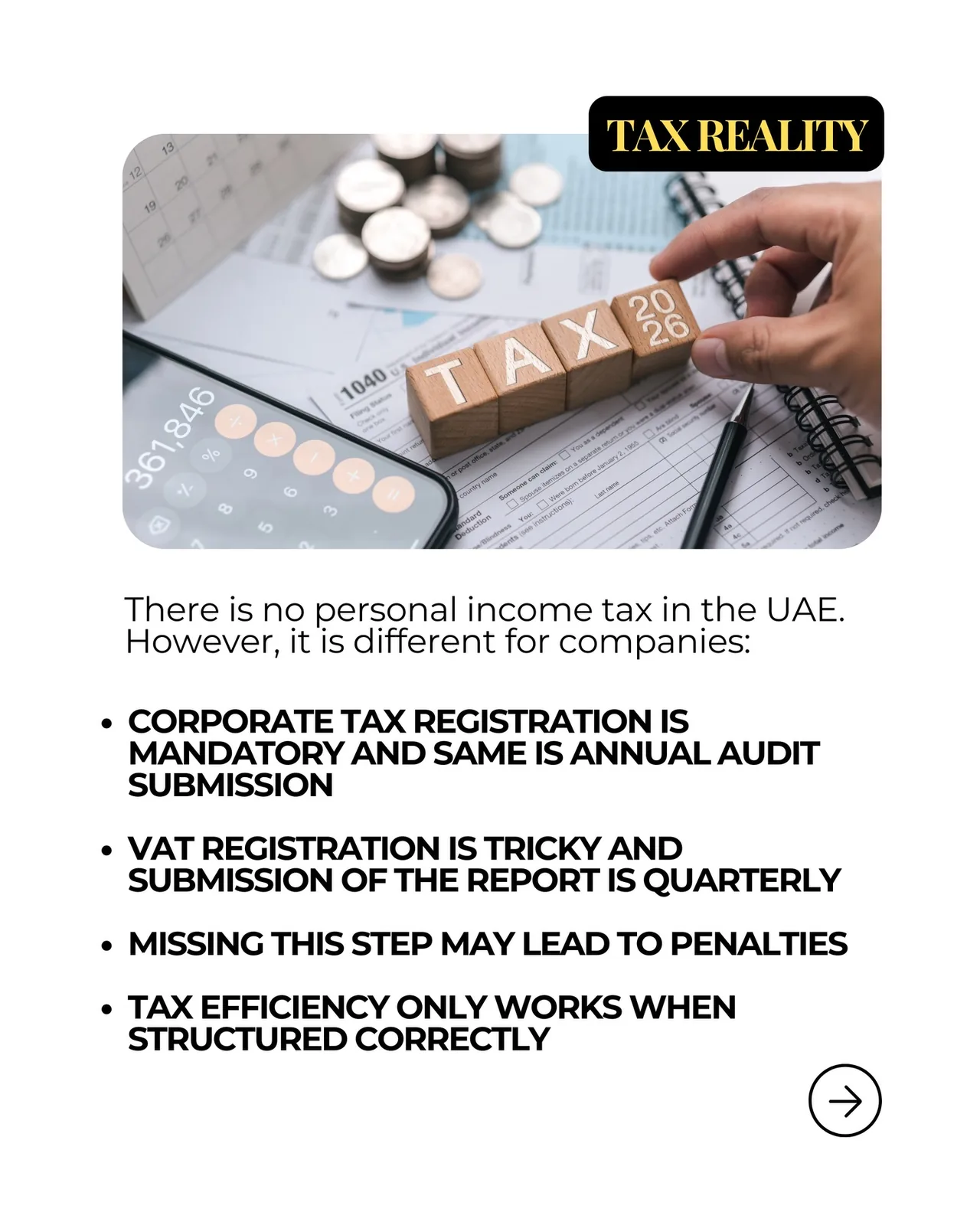
If you are running or planning an online or service business in the UAE, the regulatory environment can change over time. Requirements linked to Economic Substance Regulations, corporate tax, VAT, data protection, advertising rules or sector approvals may shift in scope. Building these checks into your company setup and renewal process is an important part of a robust compliance strategy for the UAE market.
Your planned activities also influence how and where you should set up. Mainland companies can cover thousands of activities under different license categories, while many free zones are designed around specific industries and clusters. Reviewing activity lists, ownership rules, office requirements and banking expectations at the outset allows you to align your license with your real operations and choose a jurisdiction that supports your long‑term plans in the UAE.
What to keep in mind
When forming or restructuring a company in the UAE, overlooking formal closure or amendment procedures for an existing entity can lead to unwanted liabilities, penalties or blocked services. In more serious cases, this may create difficulties for owners and managers when they later try to obtain new visas, open bank accounts or start another business in the country, so it is important to follow the official process.
The UAE business environment, including rules for online and cross‑border activities, is not static. For example, the scope of Economic Substance Regulations has shifted following the introduction of corporate tax, and new requirements in areas like data protection, AML or online advertising can emerge. Businesses that monitor official communications from relevant authorities are better positioned to stay compliant, renew on time and adapt their structures when needed.
Not every setup option suits every business. Mainland structures can offer broad activity coverage and flexibility for trading across the UAE, while free zones often provide focused ecosystems, simplified processes and, in some cases, easier international positioning. Depending on your sector, target clients and banking needs, you may benefit more from a flexible mainland license, a specialist free zone, or a combination of structures within the UAE.