
Corporate tax for free zone company uae
What this page covers
Corporate tax for free zone company uae
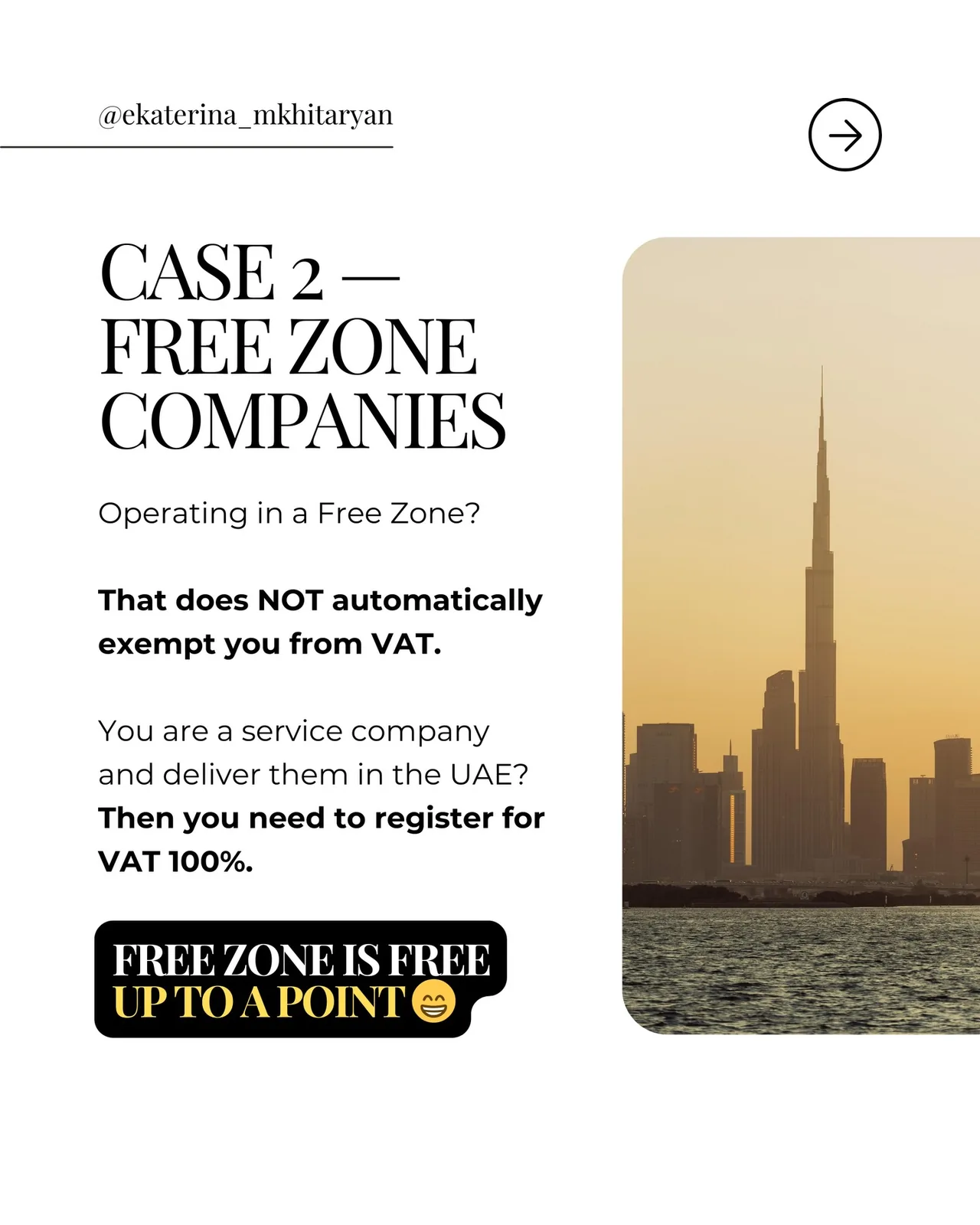
The introduction of UAE corporate tax has changed how free zone companies should plan their structures, but free zones can still be attractive when used correctly. They can offer a 0% rate on qualifying income, which is often better suited for cross‑border business, while mainland setups provide more flexibility for scaling within the UAE itself under the standard 9% rate.
To benefit from the current tax environment, a free zone company must be structured and operated in line with UAE corporate tax rules and the regulations of its chosen free zone. This includes looking at where clients are located, how and where the business is managed, what type of income it earns, and whether a physical office is really required for the model you have in mind.
In brief
- Free zones can still offer a 0% corporate tax rate on qualifying income if the company meets the conditions to be treated as a qualifying free zone person under UAE corporate tax law.
- Corporate tax treatment depends on the nature and source of your income. Revenue from mainland UAE customers is usually taxed at 9%, while qualifying income from overseas or other free zones may remain at 0%.
- Your actual setup matters: management location, substance, office arrangements and contracts all influence whether your free zone company keeps its 0% status or falls under the standard 9% corporate tax.
What to do
When you choose a free zone company in the UAE, you are usually looking to optimise tax, international reach and operational efficiency. Under the UAE corporate tax regime, a qualifying free zone person can benefit from a 0% rate on qualifying income, which is particularly attractive for founders who serve clients outside the UAE or work mainly with other free zone entities.
By contrast, mainland companies are generally subject to the standard 9% corporate tax on taxable profits above the exempt threshold, but they benefit from more flexibility for scaling within the UAE market. This can be important if you plan to work closely with local customers, government entities or regulated sectors. Recent changes to the UAE Commercial Companies Law allow 100% foreign ownership in many mainland sectors, although some industries such as oil and gas, telecom and banking still require local participation or a service agent.
For some business models, particularly e‑commerce or those using shared or co‑working spaces, a dedicated physical office is not always required, depending on the free zone rules and banking needs. However, you still need enough substance in the UAE to meet corporate tax and economic substance requirements. The way you structure your presence, sign contracts and book income will directly influence how corporate tax applies to your free zone company in practice.
What to keep in mind
The UAE corporate tax regime introduced in 2023 means that free zone companies must pay close attention to how they earn, book and report their income. Free zones can still offer a 0% corporate tax rate on qualifying income, but this is conditional and depends on the company meeting the criteria to be treated as a qualifying free zone person under the law and related cabinet and ministerial decisions.
To keep this favourable position, most of the company’s income should come from qualifying activities with other free zone entities or overseas clients. Non‑qualifying income, such as revenue from mainland UAE customers or other excluded activities, must remain within strict limits: it should not exceed 5% of overall revenue or AED 5 million, whichever is lower. Breaching these thresholds, or carrying out disallowed activities, can cause the loss of the 0% rate and trigger the standard 9% corporate tax on all profits for that year and potentially for several following years.
In addition, a free zone company must meet substance requirements, meaning it should have an appropriate presence, management and staff in the UAE relative to its activities. The business must register and file corporate tax returns on time, even if the final tax payable is zero. Banks also apply detailed due diligence when opening accounts for free zone entities, especially those with minimal local presence, so you should be prepared to provide business plans, contracts and proof of address when you set up your structure.