
Move company between free zones uae
What this page covers
Move company between free zones uae
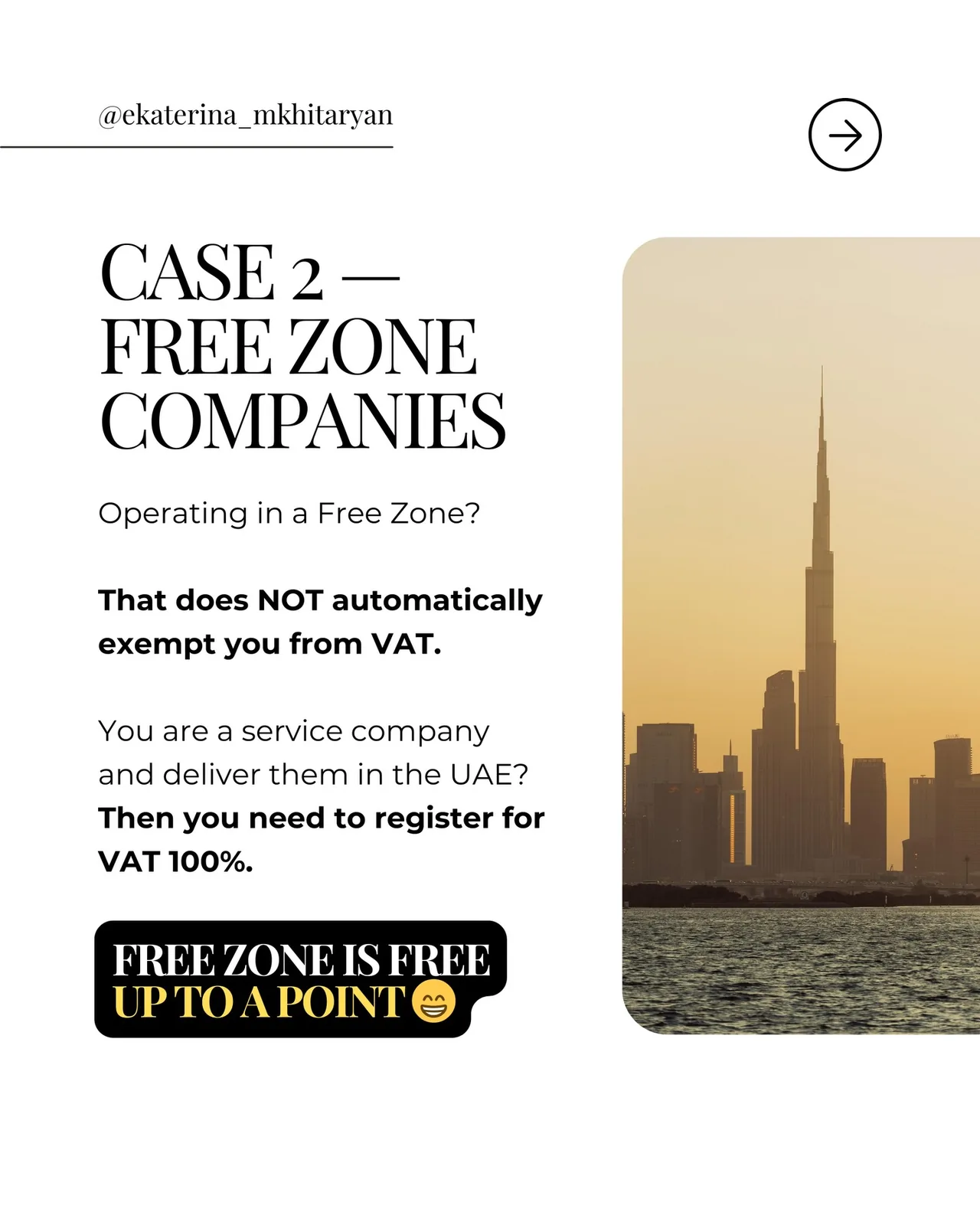
Free zones in the UAE offer customs advantages and tax benefits on company profits, so it is common for entrepreneurs to consider moving from one free zone to another as their business grows or changes direction.
If you are assessing such a move, compare how each free zone supports your current and future operations, especially if your focus is mainly on international activities rather than trading directly in the UAE market.
In brief
- UAE free zones are generally well suited for international operations and can provide customs advantages and tax benefits on business profits compared with other structures.
- When considering a move between free zones, many owners look for more flexibility for future expansion and a better match with their target markets and licensed activities.
- Before changing free zones, review how the new jurisdiction supports your business model, including any limitations on trading within the UAE compared with international trade.
What to do
In the UAE, free zones are often chosen by companies that focus on international operations and value customs advantages and tax benefits on profits. Over time, your current free zone may no longer match your growth plans, which is when a move to another free zone can become relevant. Treat this as a strategic decision, aligning the new free zone with your long‑term business direction and operational needs.
Mainland and free zone structures offer different levels of flexibility and market access. Mainland setups provide more flexibility for scaling within the UAE itself, while free zones are typically more suitable for international business. If you are already in a free zone and want to stay within the free zone model, moving between free zones is usually driven by the search for better support for cross‑border activities, sector focus, banking options or operational conditions that fit your plans.
When planning a move between free zones, many companies first clarify where their main clients are and how they intend to grow. A free zone business is typically restricted from trading directly in the UAE unless a local distributor or other compliant structure is involved. Keeping this in mind helps you choose a free zone that supports your preferred way of accessing customers, whether you remain focused on overseas markets or work with local partners for UAE sales.
What to keep in mind
Moving a company between free zones in the UAE is most relevant for businesses that want to stay within the free zone framework and continue benefiting from customs advantages and tax benefits on profits. It is less suitable for companies whose main goal is to trade directly and extensively within the UAE market, where a mainland structure may provide more flexibility and access.
A free zone setup is typically oriented toward international trade, and there are restrictions on trading directly in the UAE unless a local distributor or other compliant arrangement is in place. This reality remains important even if you change from one free zone to another. When evaluating a move, consider whether your business model relies mainly on overseas clients or on direct local sales in the UAE.
Because each free zone has its own focus, rules and conditions, the practical details of moving between them can vary. What remains consistent is the strategic trade‑off: mainland companies offer broader flexibility for scaling within the UAE, while free zones are often better aligned with international operations and specific tax and customs advantages. Understanding this balance helps you decide whether a move between free zones truly supports your long‑term plans.