
ADGM Real Estate SPV Setup
What this page covers
ADGM Real Estate SPV Setup
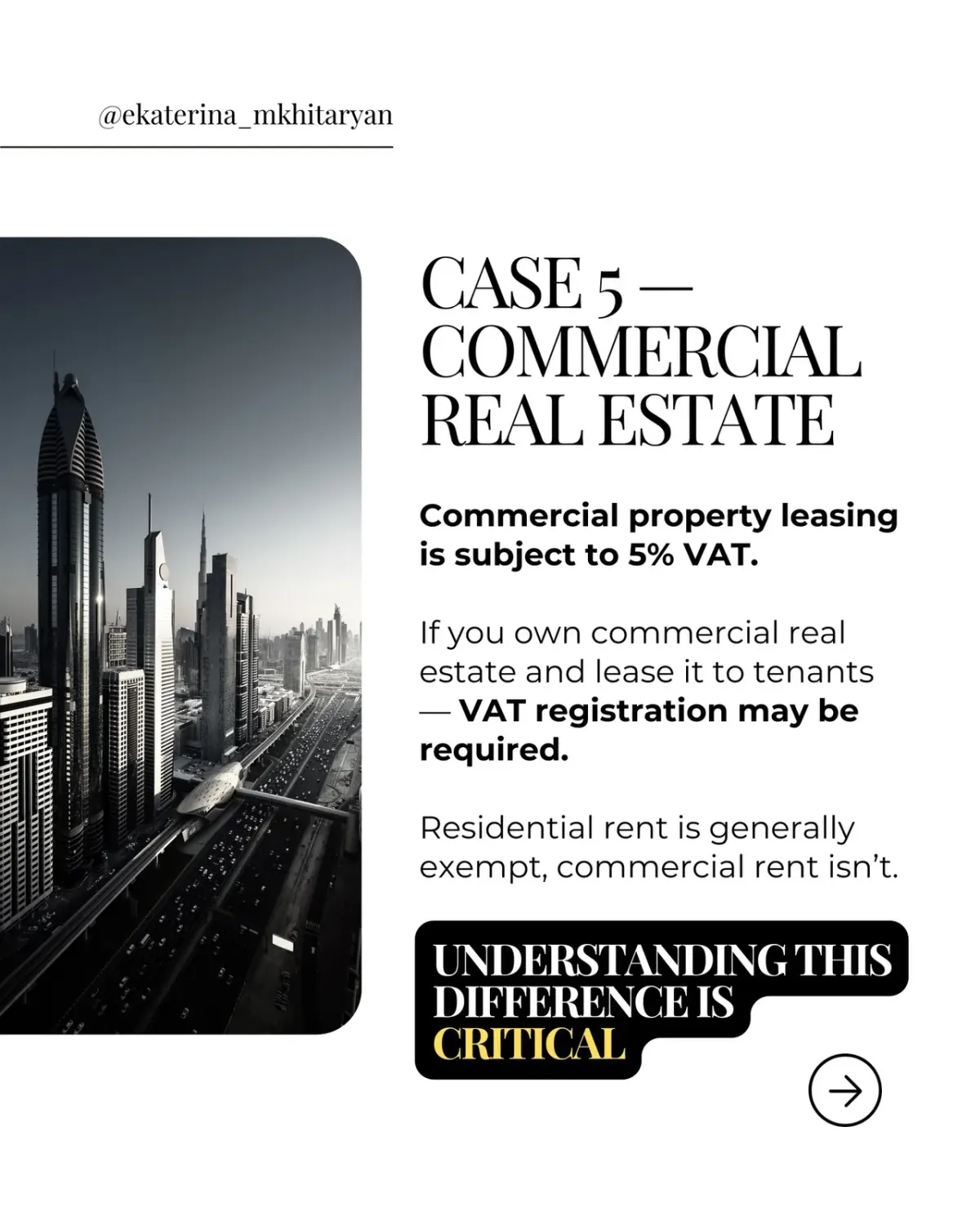
Setting up a real estate holding or investment structure in the UAE means understanding how property income and ownership are treated in each emirate. For example, commercial property leasing is generally subject to 5% VAT, while residential rent is usually exempt, and this difference affects how you plan your structure and cash flows.
When you consider an ADGM real estate SPV, it is important to align the ownership, financing, and leasing model with UAE tax and regulatory rules. A well‑designed setup helps you stay compliant on VAT and other obligations while matching the structure to the specific property, investors, and location within the UAE.
An ADGM real estate SPV is typically considered when investors want a clear, ring‑fenced vehicle to hold property and manage income such as rent or sale proceeds. In the UAE, commercial leasing is generally subject to 5% VAT, while residential rent is usually exempt, so the nature of the asset and its use are central to how you design the structure and forecast returns.
In brief
- If you lease out commercial property in the UAE, the rent is generally subject to 5% VAT, which can influence how you structure an ADGM SPV and whether VAT registration is required for the vehicle.
- Residential rent is usually exempt from VAT, so the type of property you hold in an ADGM SPV directly affects the tax profile, cash flows, and compliance steps and needs to be factored into your planning.
- Choice of jurisdiction and structure for a real estate SPV, including ADGM, depends on many factors, so it is advisable to resolve your specific task through a tailored consultation rather than relying on a one‑size‑fits‑all model.
What to do
An ADGM real estate SPV is often used to hold UAE property in a clean, ring‑fenced entity that separates the asset from other business risks. It can be suitable for both single‑asset and portfolio structures, and can support strategies such as long‑term leasing, development, or eventual sale, provided the structure is aligned with UAE tax and regulatory rules.
When designing an ADGM SPV, you need to consider who the investors are, how they will fund the SPV, how income will be distributed, and how exits will work. You also need to factor in VAT on commercial leasing, the usual VAT exemption for residential rent, and any transfer fees or registration requirements in the emirate where the property is located.
Specialists who understand ADGM rules, Abu Dhabi property practice, and federal UAE tax can help you choose between ADGM and other options, prepare the right constitutional documents, and coordinate with banks and local authorities. Because each case is different, the most efficient route is usually to review your specific property, investor profile, and goals in a structured consultation.
What to keep in mind
Real estate SPV and tokenization structures in the UAE must respect local regulatory expectations. Authorities have shown little tolerance for unlicensed fundraising, and a token sale that resembles an unregistered securities offering can lead to serious consequences, so any ADGM SPV used in a tokenized scheme needs proper approvals and documentation.
In tokenized real estate models, investors usually do not hold the property title directly. A sound structure legally binds the token issuer and the property‑holding SPV to honor token holders’ economic rights, such as a pro‑rata share of rental income and sale proceeds. Governance, decision‑making, and exit options must be clearly described in documents like a white paper or token purchase agreement.
Before using an ADGM SPV to hold or tokenize property, legal and financial hygiene of the asset is critical. Properties should ideally be free from problematic mortgages or claims, and expected returns must be modeled net of taxes, fees, and transfer charges on exit. Because rules differ between Dubai, Abu Dhabi, and other emirates, and jurisdiction choice depends on many factors, it is prudent to work with advisors who can assess your specific case and coordinate with the relevant authorities.