
Uae free zones
What this page covers
Uae free zones
UAE free zones, including financial centres such as ADGM and DIFC, offer familiar legal frameworks, modern regulations and attractive incentives that are widely used for holding, investment and cross‑border business structures.
Within these free zones, tools like Special Purpose Vehicles and foundations help families and investors hold shares, intellectual property and other assets in a way that isolates risk, supports long‑term wealth planning and simplifies international dealings.
In brief
- UAE free zones provide internationally recognised legal frameworks, straightforward incorporation and access to banking, which makes them popular for holding companies, regional headquarters and cross‑border structures.
- Financial free zones such as ADGM and DIFC use common law and independent courts, and offer SPVs and foundations that are well suited for asset protection, family wealth planning and investment vehicles.
- Under the UAE corporate tax regime, qualifying free zone entities can still benefit from a 0% rate on qualifying income, provided they meet substance, activity and compliance requirements set by the authorities.
What to do
UAE free zones give investors, entrepreneurs and families a way to structure regional and international business under clear, internationally recognised rules. Financial centres such as ADGM and DIFC operate on common law with independent courts, which makes their entities easier for banks and foreign counterparties to understand and accept. Within these zones, Special Purpose Vehicles act as flexible holding companies that own shares, intellectual property or specific assets while isolating legal and financial risk from the rest of a group.
ADGM and DIFC SPVs, including DIFC Prescribed Companies, are designed as passive holding entities. They do not run operating businesses or hire staff, but they can issue and receive funds related to the assets they hold. Incorporation is largely digital and routed through licensed corporate service providers who act as registered agents with the registrar. Fixed fees are relatively low compared with other international hubs, which makes these SPVs attractive for private wealth planning, family offices and corporate finance transactions.
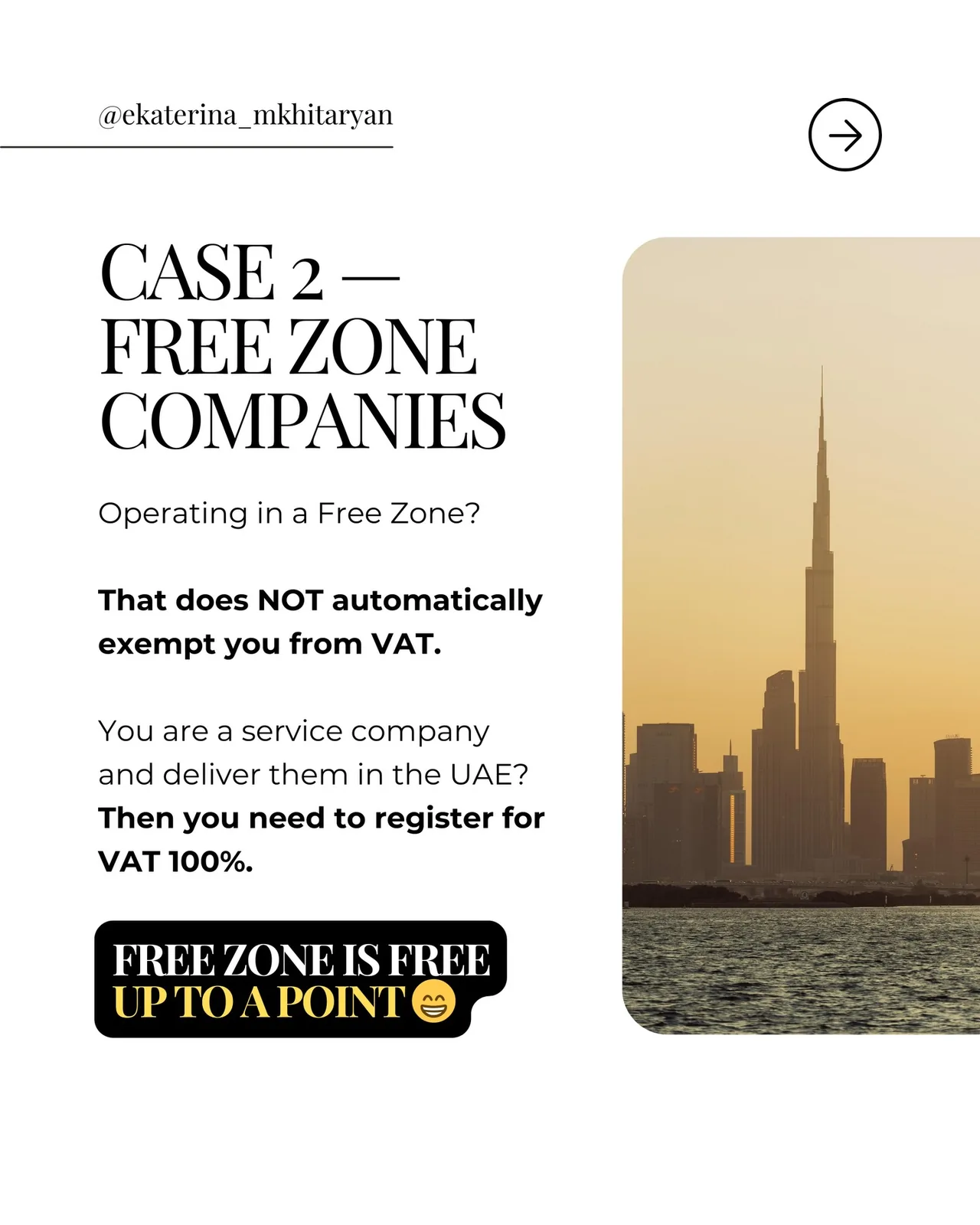
Free zones also remain competitive from a tax perspective. Under the UAE corporate tax regime, a company that qualifies as a Qualifying Free Zone Person can still access a 0% corporate tax rate on qualifying income. To do this, it must be incorporated or registered in a recognised free zone, avoid electing into the standard 9% regime, and maintain real substance in the zone, typically demonstrated through adequate assets and employees. Income from dealing with other free zone entities or overseas clients, and from designated qualifying activities such as holding company functions, logistics or certain regulated financial services, can fall within this 0% bracket.
What to keep in mind
Not every UAE free zone company automatically benefits from a 0% corporate tax rate. Only entities that meet the definition of a Qualifying Free Zone Person can apply the 0% rate to qualifying income; others may fall under the standard 9% corporate tax. The company must be properly incorporated or registered in a recognised free zone, must not have opted into the normal tax regime, and needs to maintain sufficient substance in the zone, including appropriate assets and employees.
Qualifying income is generally limited to business with other free zone entities and overseas clients, or to specifically listed qualifying activities such as holding company functions, manufacturing, logistics and certain regulated financial services. Income that falls outside these categories, or that comes from non‑qualifying activities, may be taxed at 9%. Recent rules also require that intellectual property income and some commodity trading meet detailed nexus and activity tests before they can benefit from the 0% rate.
SPVs in ADGM and DIFC are tightly defined as passive holding vehicles. They cannot conduct commercial operations, trade with the public or employ staff directly; their role is to own assets and receive or pay funds linked to those assets. Authorities also expect a genuine nexus to the UAE or wider region, for example local assets, regional investments or stakeholders with a meaningful connection to the country. This is intended to prevent purely artificial structures and to support legitimate regional investment.