
ADGM DIFC and UAE free zone jurisdictions
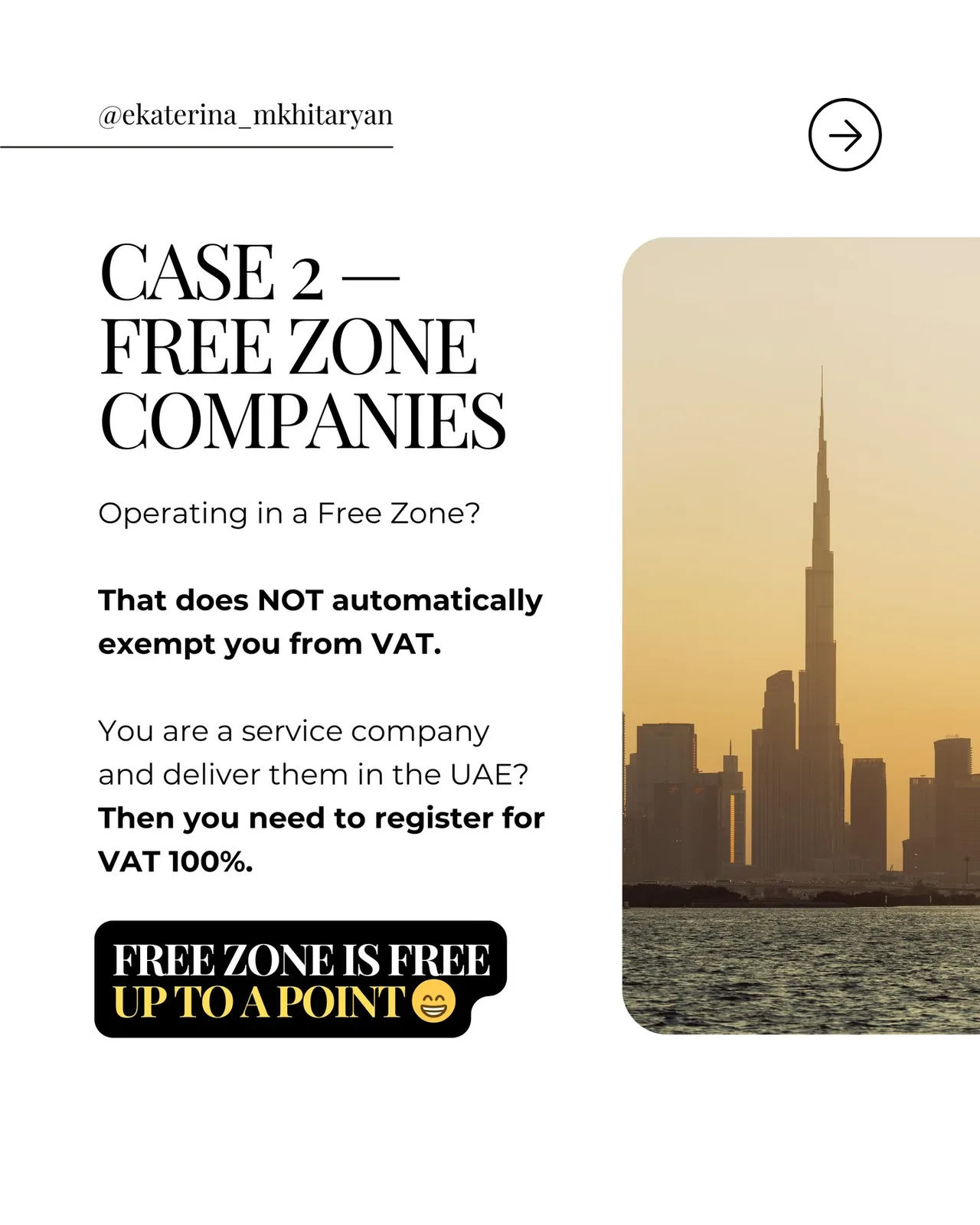
What this page covers
This section brings together key information on ADGM, DIFC and other UAE free zone jurisdictions so you can decide where your structure should sit. The focus is on how regulation, tax and substance requirements work together in practice.
For many projects, especially those raising capital or operating cross‑border, the choice of jurisdiction affects access to preferential tax treatment, such as qualifying free zone status, and how profits are recognised and taxed under UAE corporate tax rules.
Here you will find links to more detailed pages on foundations, free zone setups, transfer pricing and double taxation, to help you align your corporate structure with UAE rules while keeping compliance practical and manageable for your business or family assets.
What to choose
- I want to understand how ADGM, DIFC or another UAE free zone could support a holding, token or investment structure, including when income may qualify for a 0% tax rate.
- I am comparing free zone and mainland options and need to weigh cost, tax benefits and substance requirements before choosing where to register my business.
- I already operate in or plan to use ADGM, DIFC or a UAE free zone and need more detail on transfer pricing, double taxation and how to document inter‑company transactions.
Where to go next
Below is a set of focused pages covering specific aspects of ADGM, DIFC and UAE free zone jurisdictions, from foundations and free zone company setup to transfer pricing and double taxation topics.
Use these links to dive deeper into the scenario that matches your plans, whether you are structuring a financial or digital asset project, setting up in a cost‑effective free zone, or aligning existing entities with UAE tax and substance rules.
What matters
- The materials here reflect how UAE rules treat free zone entities, including when a company can be considered a Qualifying Free Zone Person and enjoy a 0% tax rate on certain income if substance and activity conditions are met.
- They also highlight practical structuring points, such as keeping most value creation in a free zone entity, using cost‑plus models for operating companies, and respecting UAE transfer pricing requirements for inter‑company dealings.
- Cost considerations are taken into account, noting that free zone setups are usually more cost‑effective due to lower registration fees and tax benefits, while mainland structures may suit businesses seeking broader long‑term opportunities and onshore presence.